San Gimignano Lichtenberg
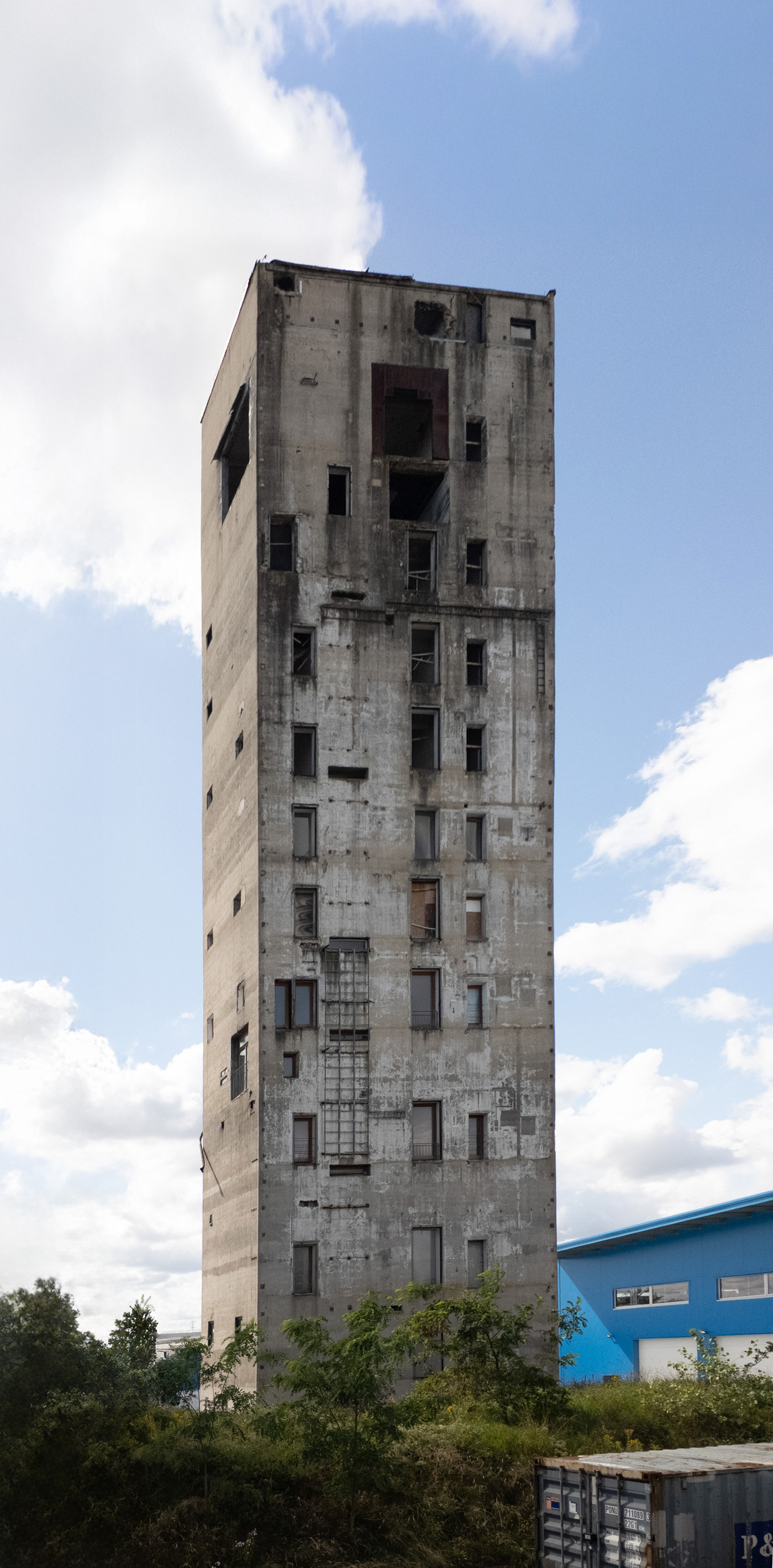
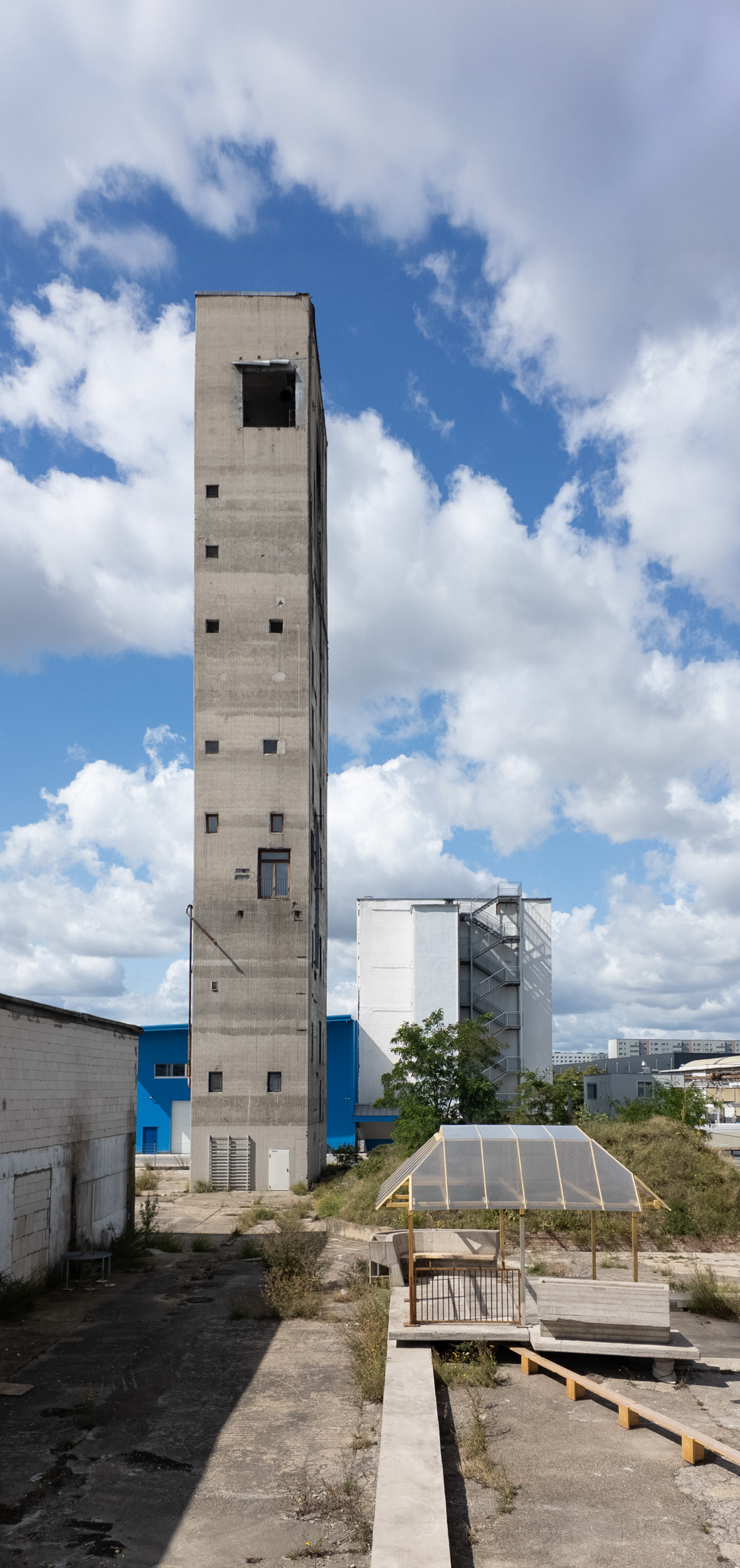
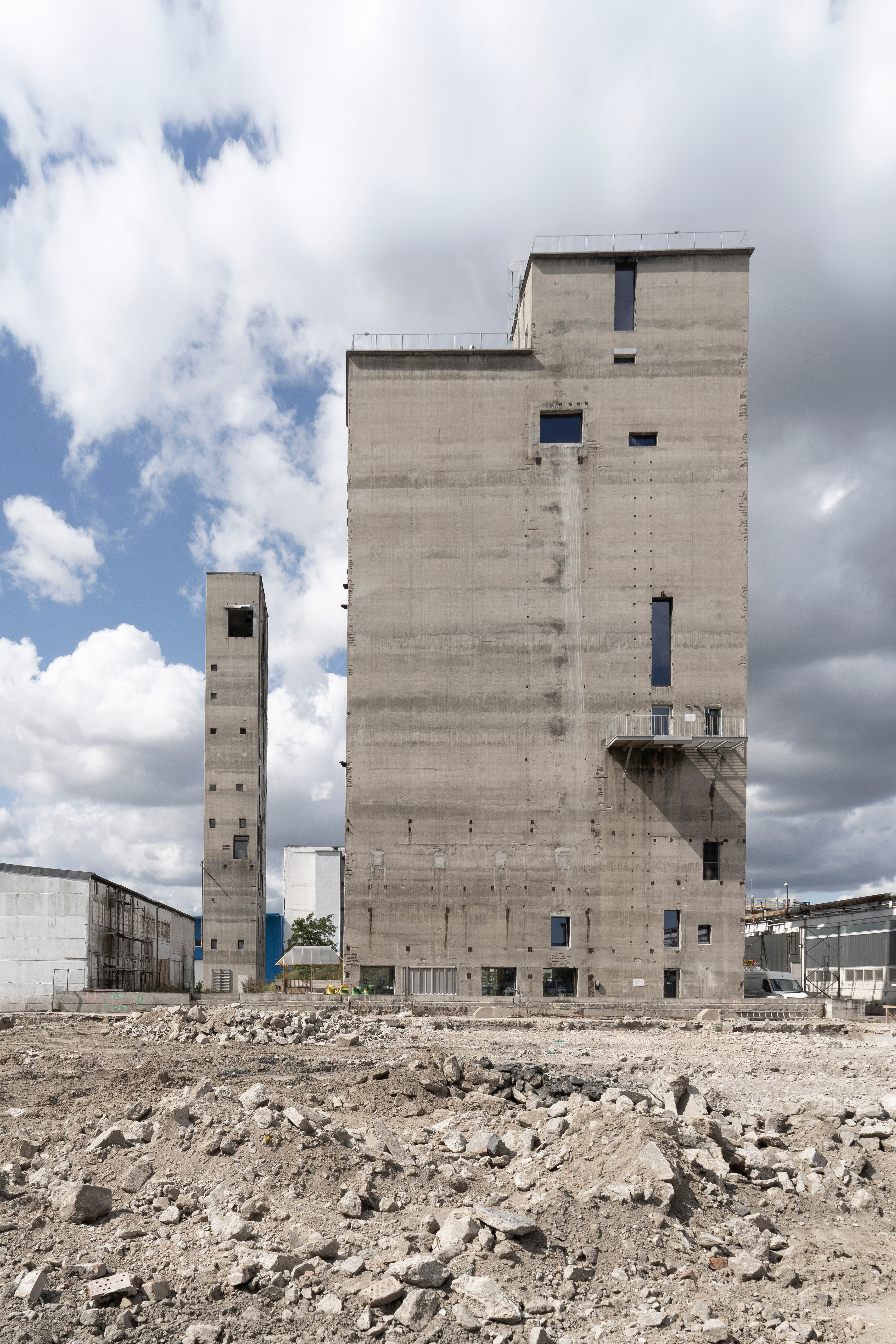
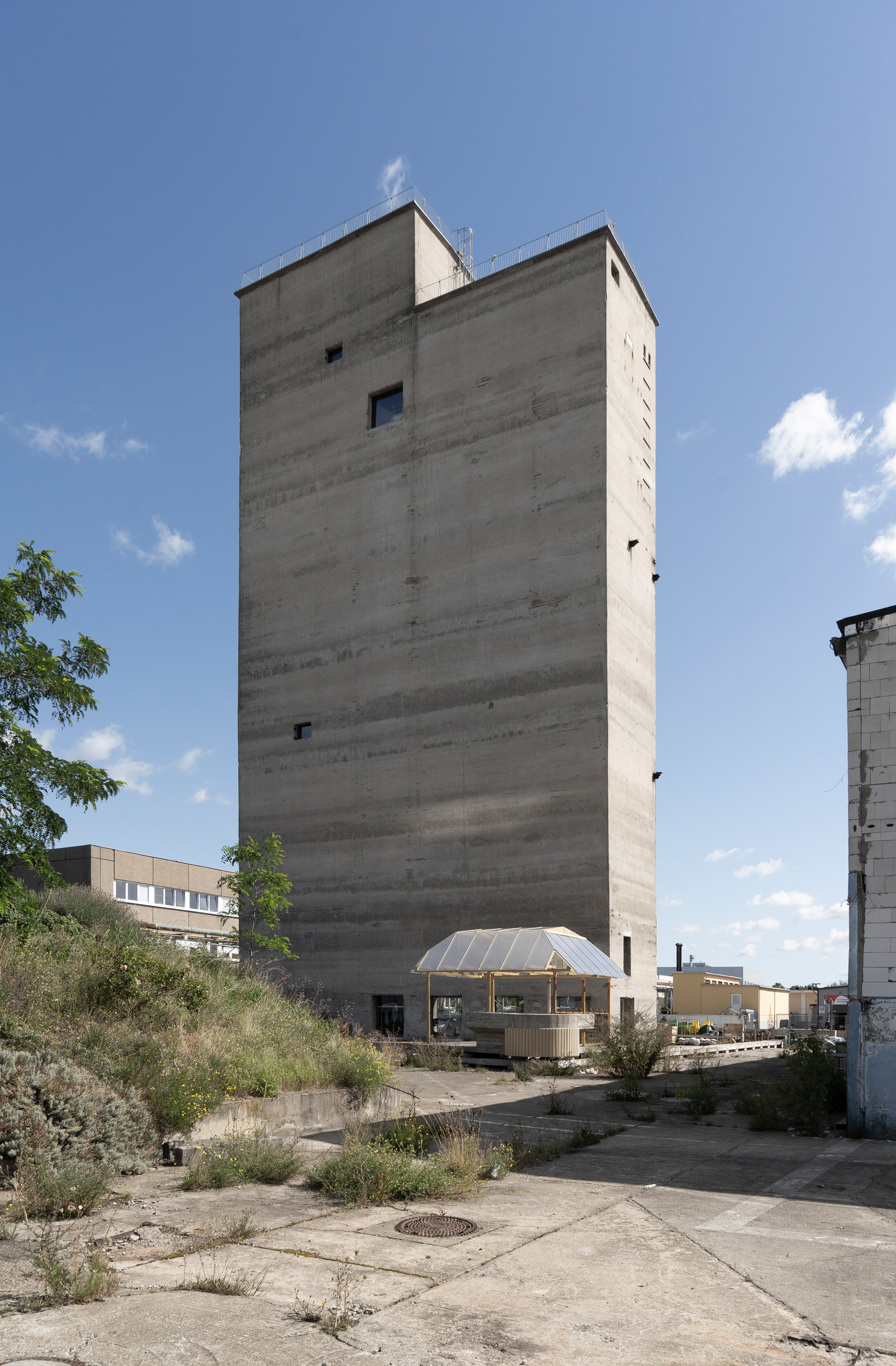
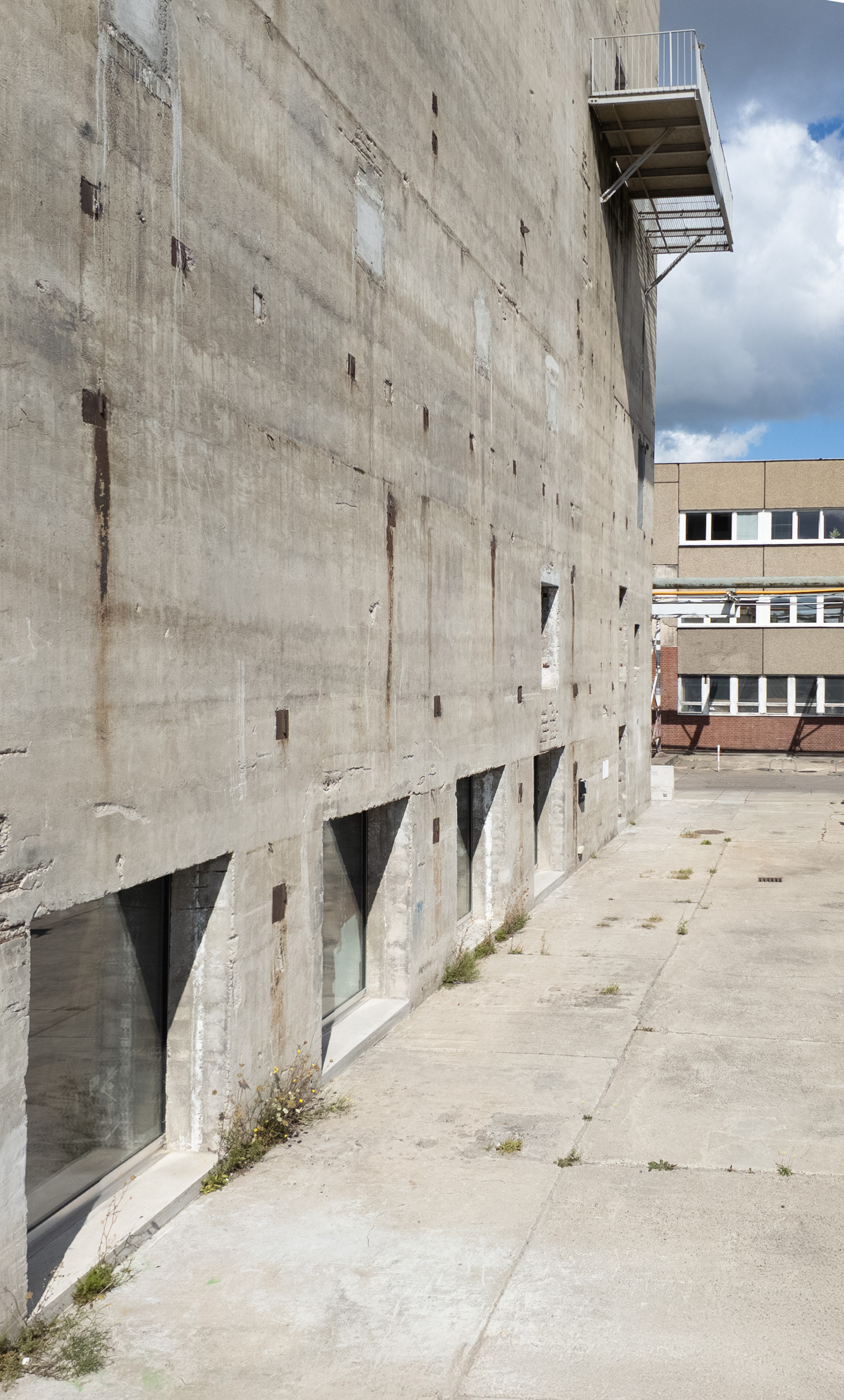
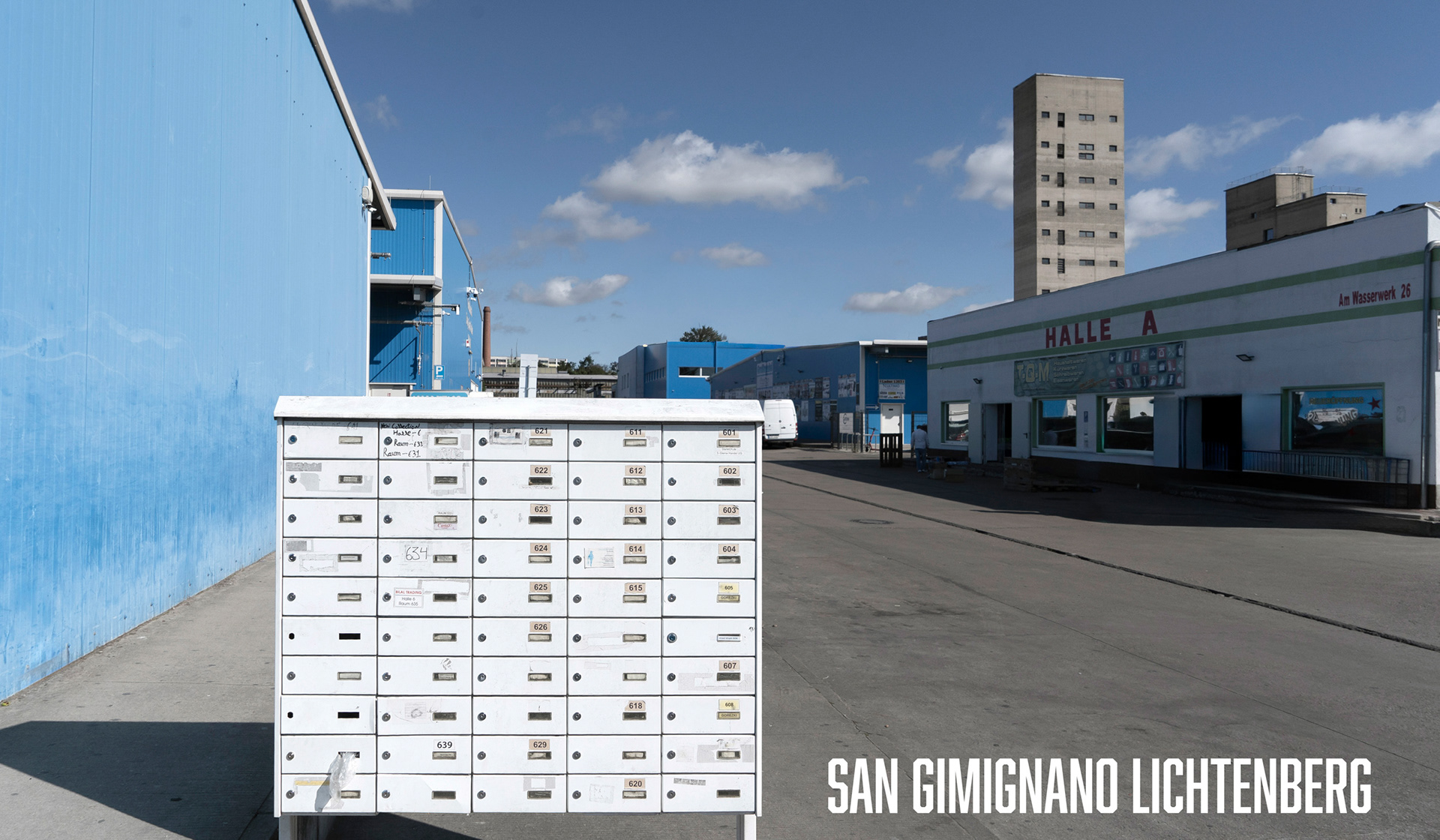
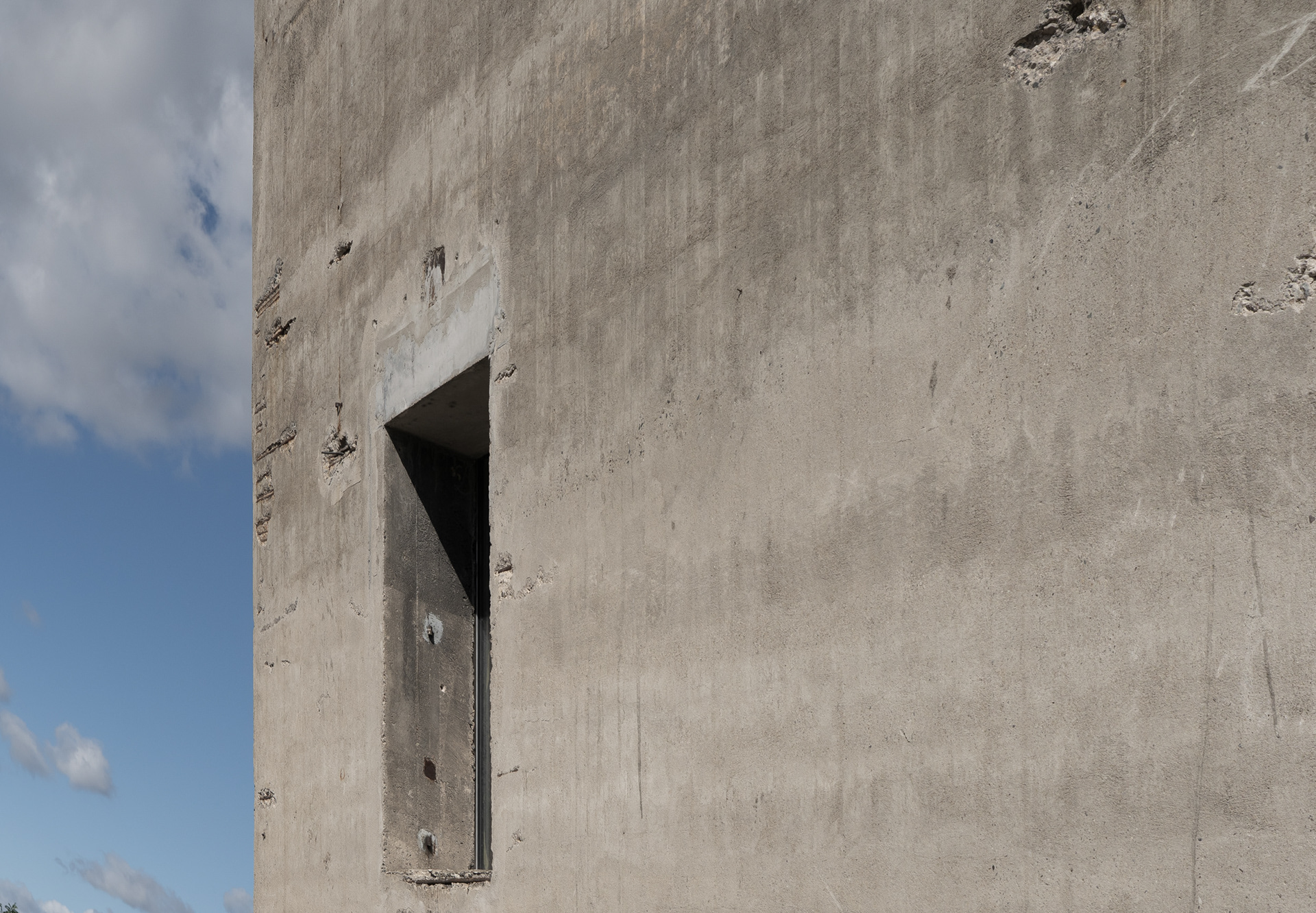
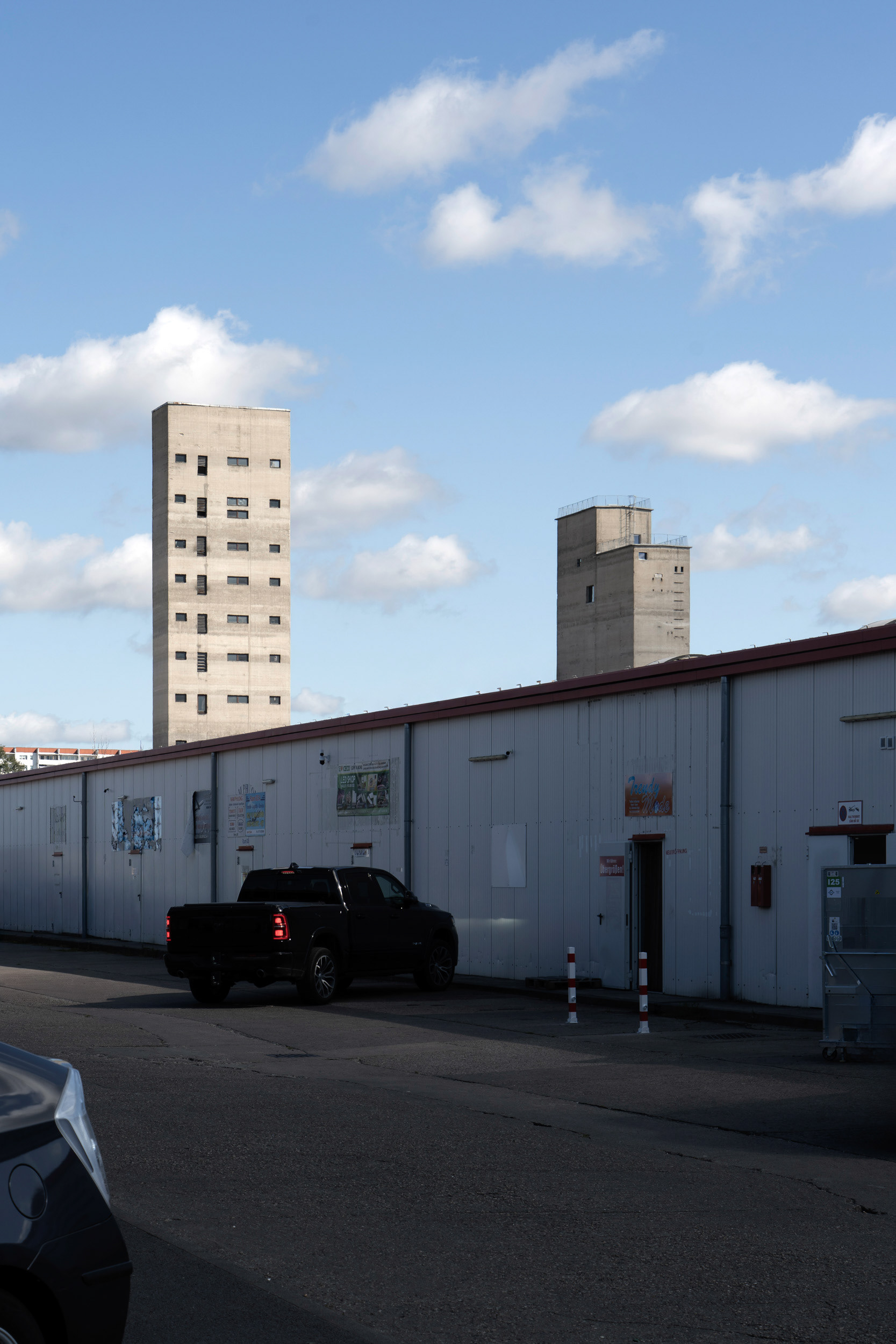
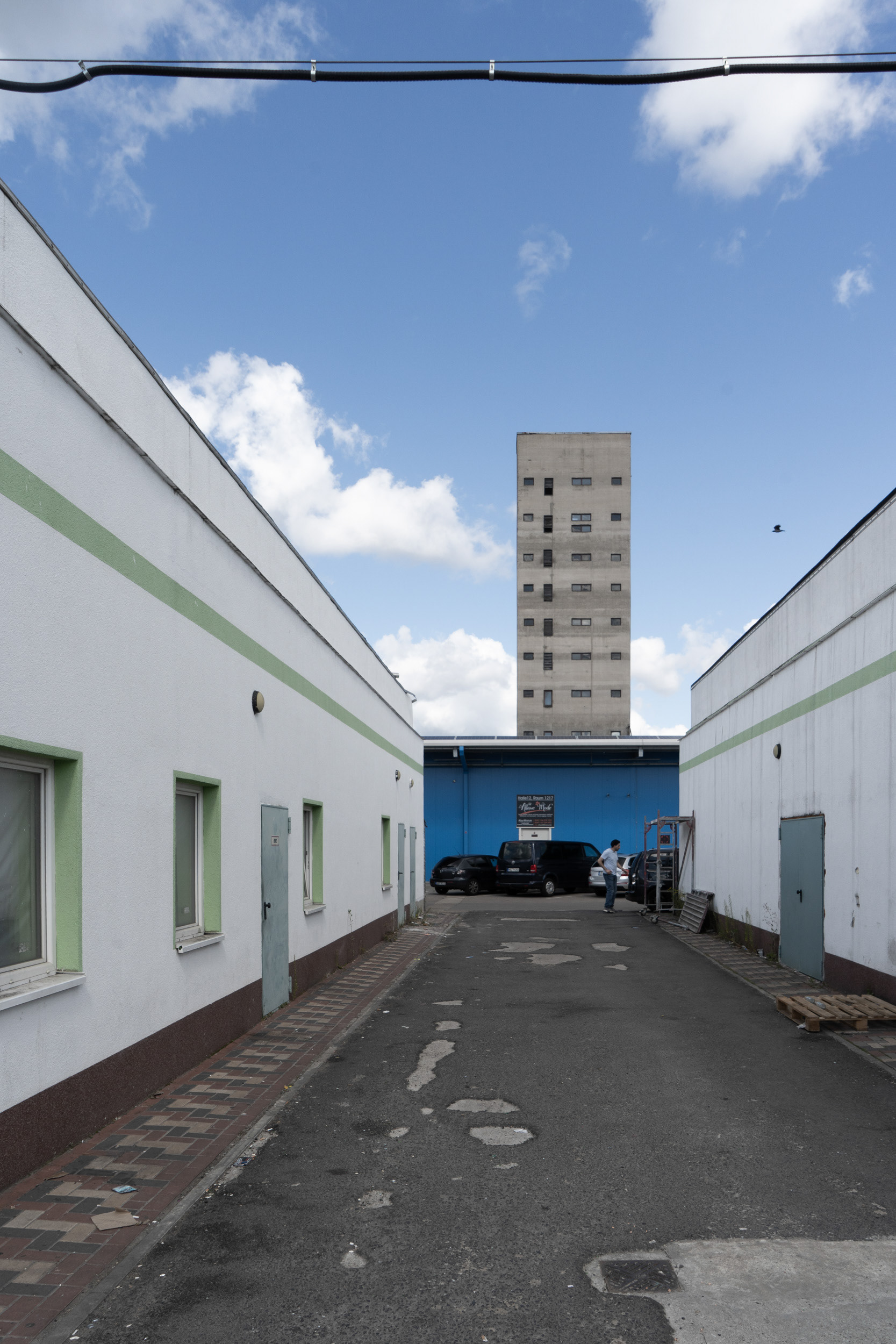
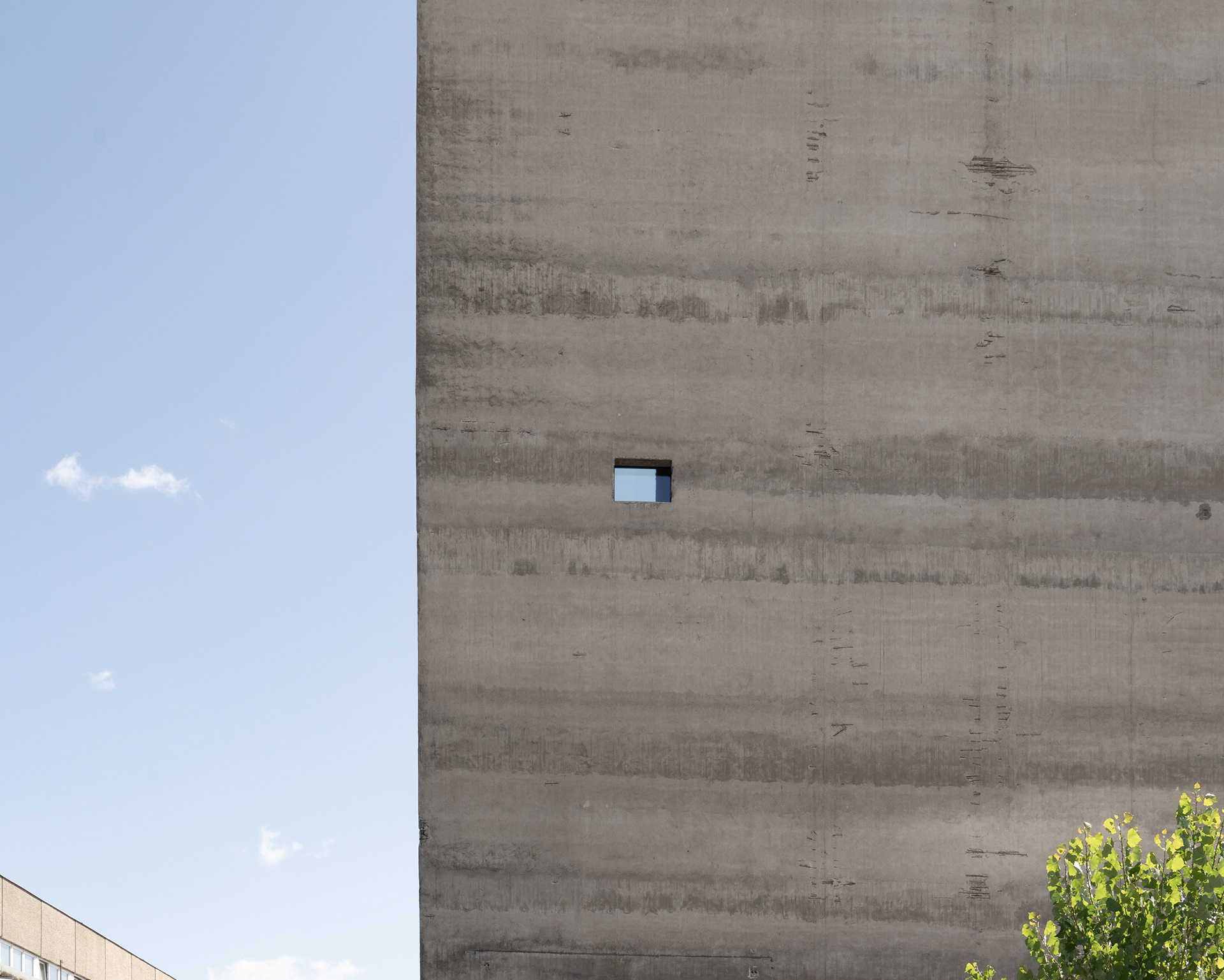
In Lichtenberg, between a Vietnamese wholesale market and the GDR’s Plattenbauten, two raw concrete towers still rise — the last remains of the former VEB Elektrokohle graphite factory. After the fall of the Wall, the site was abandoned and demolished, but the towers survived: too costly to remove, too purposeless to reuse. For years they stood as urban relics, stripped of meaning.
The architecture studio Brandlhuber+ (now Bplus.xyz) overturned this perception by renaming them San Gimignano Lichtenberg. With a nod to the Tuscan town of towers, the act reframes them: no longer ruins, but potential. The project avoids spectacle, opting for a restrained and pragmatic reuse — one tower as a workshop for architectural prototyping, the other as storage.
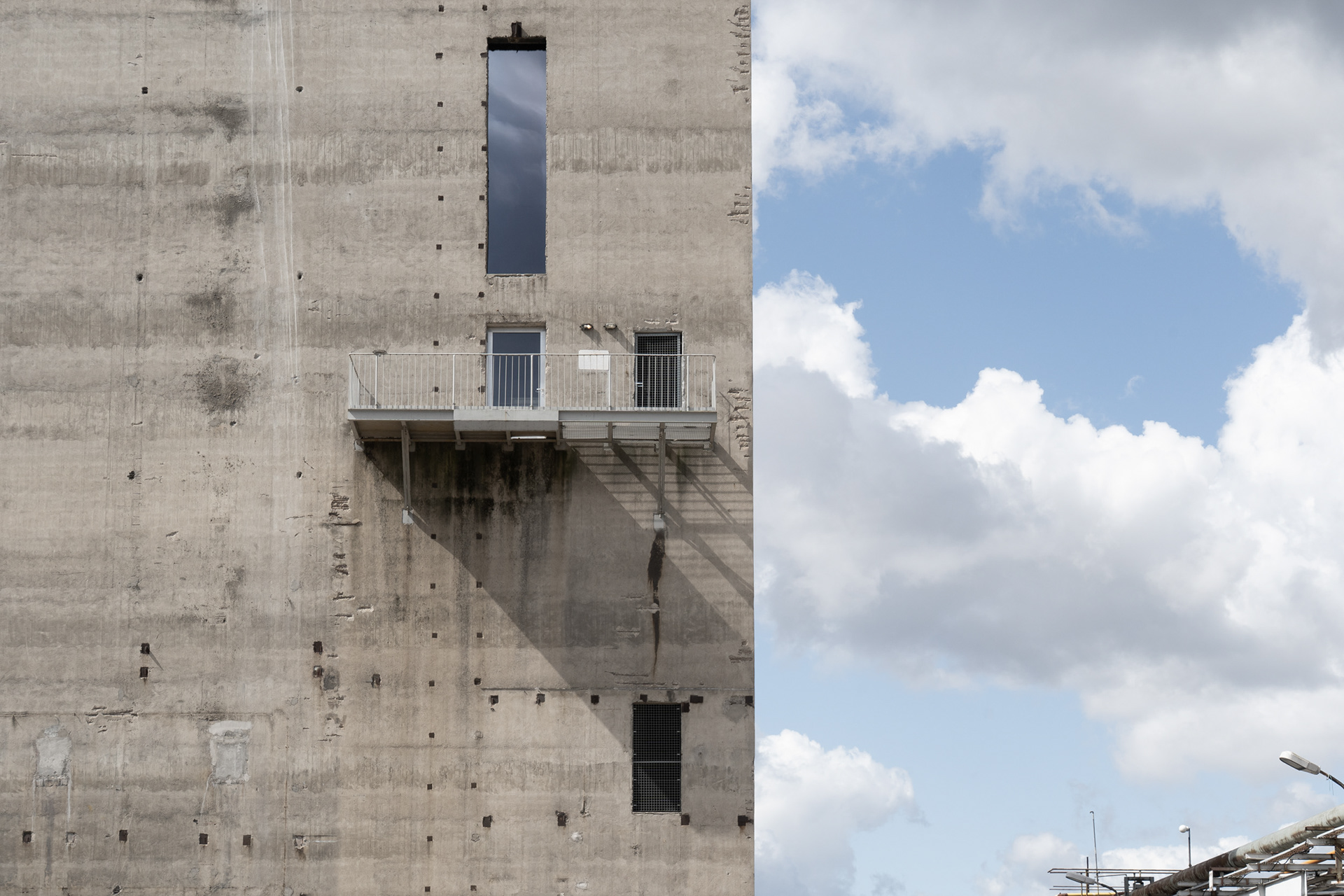
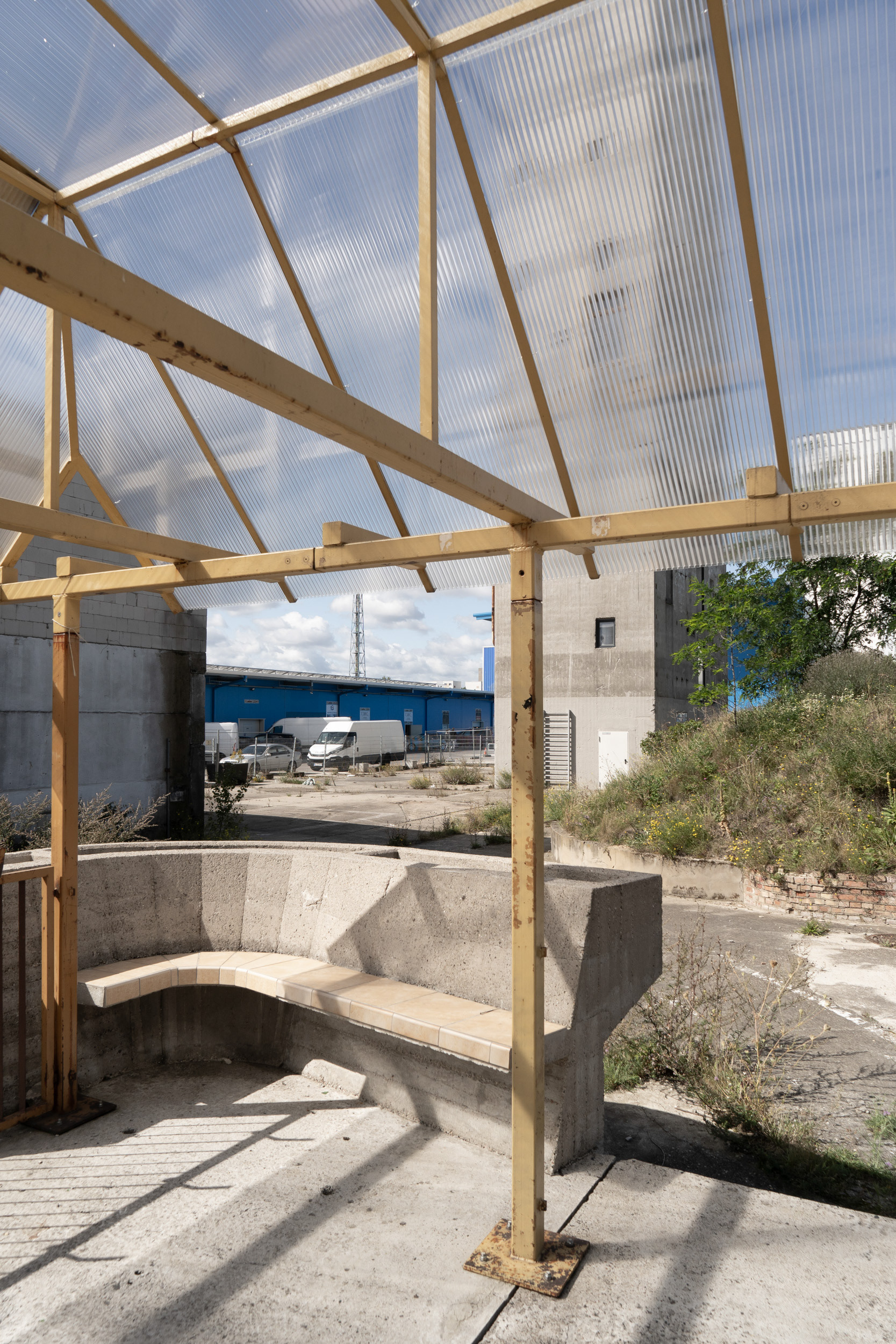
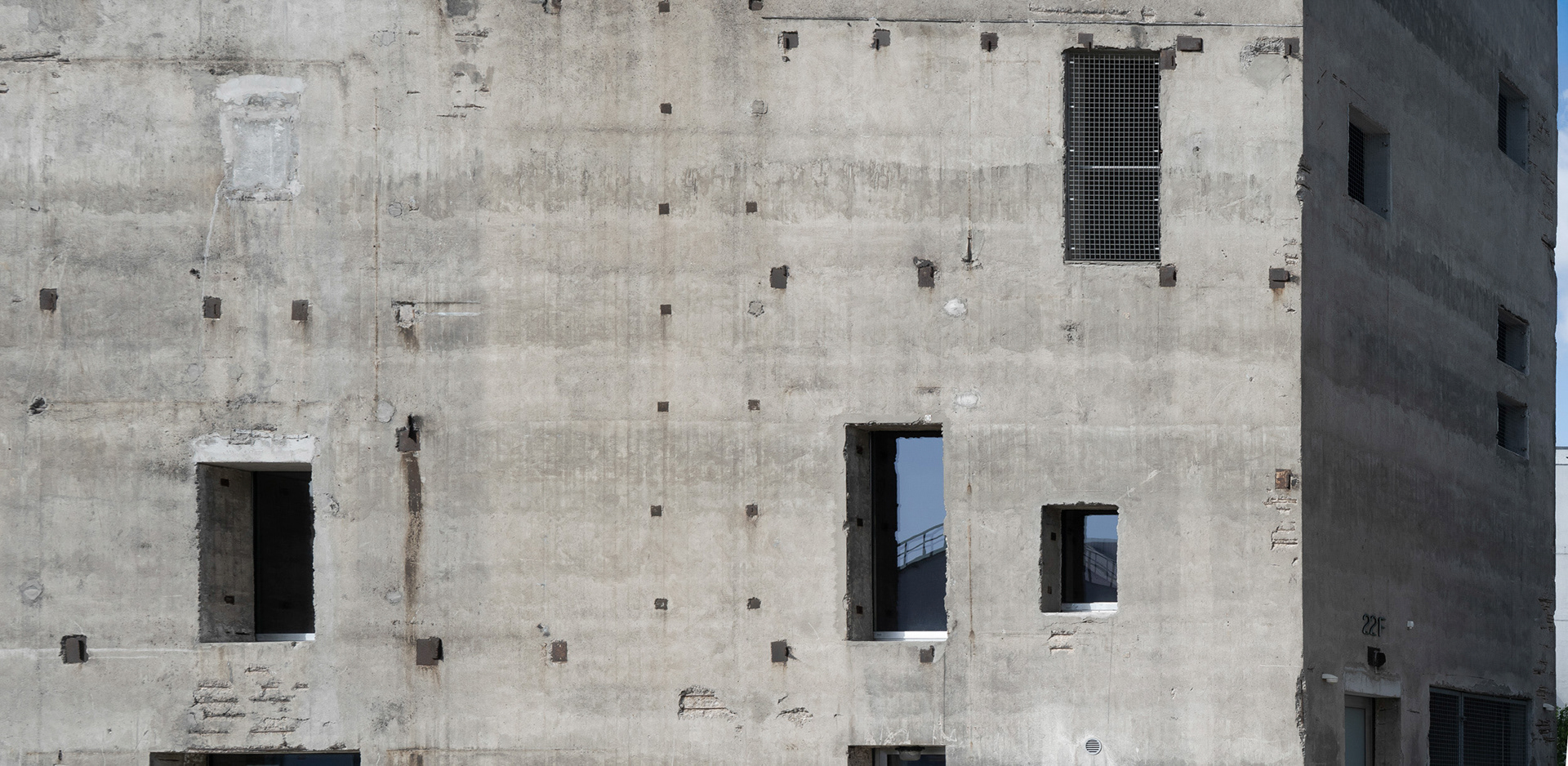
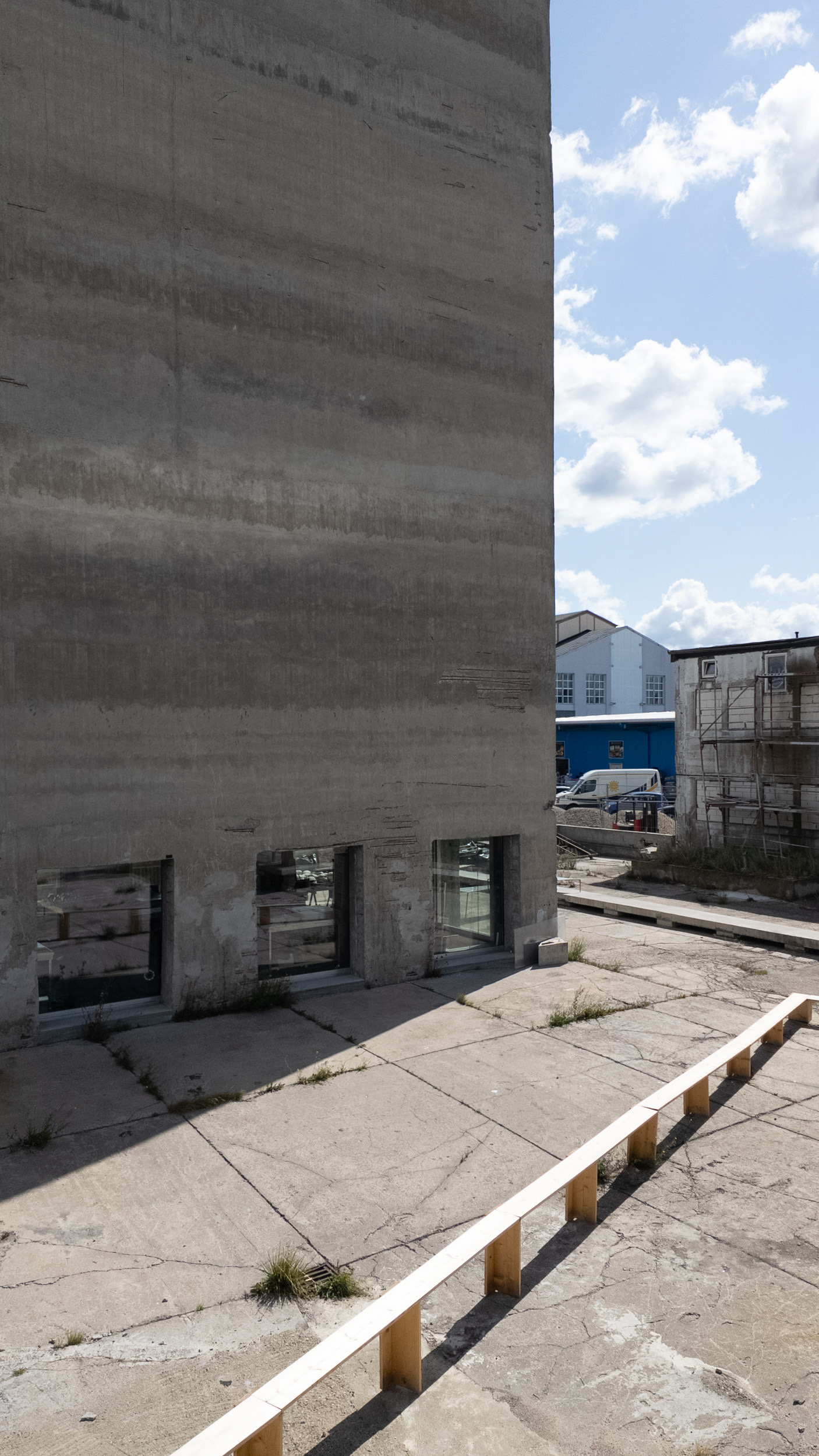
Bricked-up openings were reopened for light and air; interiors adapted with minimal interventions, turning constraints into architectural qualities. More than a renovation, it is a political statement: showing that the city’s future can be built not by erasure, but through transformation. The towers thus become workshop, manifesto, and monument to a different sense of urban time.
San Gimignano Lichtenberg
A Lichtenberg, tra un mercato vietnamita e i Plattenbauten della DDR, resistono due torri di cemento, ultime vestigia della fabbrica di grafite VEB Elektrokohle. Dopo la caduta del Muro l’impianto fu abbandonato e demolito, ma le torri rimasero in piedi: troppo costoso abbatterle, troppo inutile riutilizzarle. Per anni furono considerate relitti urbani, prive di senso.
Lo studio Brandlhuber+ (oggi Bplus.xyz) ha ribaltato questa percezione, ribattezzandole San Gimignano Lichtenberg: un atto narrativo che richiama le torri toscane e trasforma ciò che era rovina in potenziale. Il progetto non punta alla spettacolarità, ma a un riuso sobrio e funzionale: una torre come laboratorio di prototipazione, l’altra come deposito.
Le aperture murate sono riaperte per luce e aria, gli spazi interni vengono adattati con interventi minimi, trasformando i vincoli in qualità architettoniche. Più che un restauro, è un gesto politico: dimostrare che il futuro della città può nascere dal già costruito. Le torri diventano così laboratorio, manifesto e monumento a un’altra idea di tempo urbano.